

Top 10 traditional trades in Hong Kong that are on the verge of extinction


When the sun sets, people can't help but feel sad. Hand-carved sparrows, hand-made bird cages, paper crafts and other once-thriving local skills are now no longer beautiful and are being ruthlessly swallowed by the torrent of the times. However, in one corner of the city, there are still a few tenacious artisans who stubbornly guard these dying traditions.


Dragon's Whisker Candy: A Sweet Memory


The old man who sold dragon beard candy opened the small iron box, skillfully pulled a ball of maltose gum into a circle, pinched and pulled and twisted, overlapped and overlapped, back and forth more than ten times, and in a moment, the sugar gum turned into thousands of strands of dragon whiskers. It is said that this ancient craft has been almost lost in Hong Kong, because the masters of the past were stingy in imparting it, some of them had to charge high tuition fees, and some even had to choose apprentices who matched the eight characters.


Wong Hon-keung, the founder of Chuk Yuen Dragon Whisker Candy, has been pulling Dragon Whisker Candy since he was a child, and after coming to Hong Kong with his father from Guangzhou, he has set up stalls in Hong Kong Island to sell them. Chef Huang, who has been engaged in the garment industry for many years, had a chance to regain this sentiment and turn this ordinary street food into a unique local souvenir gift.


Zhusheng noodles: hand-kneaded elastic tooth taste


The production process of Zhusheng noodles seems simple, flour, eggs, and a little alkaline water are slowly pushed and kneaded by human hands to make the powder and eggs completely integrated, and then pressed with Zhusheng. This seemingly simple step tests the patience and skill of the master. Lau Sum Kee Noodle House is one of the few restaurants in Hong Kong that insists on making its own noodles entirely by hand, and the noodles are made fresh every day.


Umbrellas: Sheltered from the wind and rain, the pride of the locality


The choice of umbrellas ranges from cheap domestic goods on the side of the road to Japanese designs in department stores. However, did you know that Hong Kong also has its own umbrella brand? Leung So Kee has a history of 100 years and is the representative of Hong Kong-made umbrellas. The founder, who started as a merchant, gradually learned about the structure of umbrellas by repairing them, and decided to devote himself to umbrella making, starting an extraordinary career. The brand story was even put on the stage by the famous screenwriter Du Guowei, and another classic "Love in the World" was achieved.


Paper Craft: Exquisite Craftsmanship and Unique Aesthetics


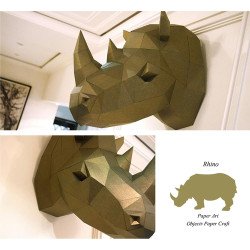
In traditional festivals and festivals, paper crafts can be seen everywhere, such as lanterns, cannons, and various exquisite paper offerings. These objects made of bamboo strips, colored paper and silk cloth not only show exquisite craftsmanship, but also contain a unique folk aesthetic. Whether it is the lifelike moon rabbit lantern or the statue of Hades without anger, it shows the ingenuity of the master of the tie work.


True characters: The pen walks the mark of the times of the dragon and snake


Hidden in the Royal Theatre building in North Point, the King's Wah signboard has stood for decades. The Imperial Theatre was once famous for its unique parabolic roof, but now it is empty, and there are few shopping malls left on the ground, and Jinghua Signboard is the only remaining shop among them. The owner, Ouyang Chang, is one of the last calligraphers in Hong Kong, and his unique calligraphy "True Characters" is powerful and powerful, with a peak of pen and full of momentum. Over the years, Ouyang Chang has written countless signboards in real characters, and even created his own glowing lantern signs that look like jade. Now is the era of computer words, handwritten signboards are rare to buy, and no one may know how to handwrite real characters after Ouyang Chang. Huangdu Cinema was acquired by the developer in 2019, facing the redevelopment of the building, and the Jinghua signboard is also changing with the times.


Hand-carved sparrows: the delicate art of years of precipitation


Playing sparrows is almost a "must-have skill" for Hong Kong people, playing sparrows during the Chinese New Year, playing sparrows at wedding banquets, even if you can't play, the sound of sparrow collision is also a memory of many people's growth. However, with the loss of traditional handicraft arts, hand-carved sparrows are also facing the danger of disappearing. At present, there are only a few hand-carved mahjong craftsmen left in Hong Kong, and Sister Mei in Hung Hom is the only female master in Hong Kong! If you want to see this delicate craft, you might as well visit Sister Mei in Hung Hom. Jordan also hides a master, that is, the sparrow craftsman Zhang Shunjing. Uncle Jing has been in the industry with his father since he was a child, and has witnessed the rise and fall of the industry.


Handmade bird cages: the afterglow of the past fashion


In the past, Hong Kong was prevalent in the culture of "catching birds", whether it was a boy or a park uncle, they would carry the birdcage around, and they would even find a master to make a birdcage. Nowadays, times have changed, young people are no longer popular with finch farming, and the bird cage craftsmen have left one after another, and now only Uncle Cai, the last local bird cage craftsman, is left. Although he hasn't made a cage for a long time, everyone can still visit the cage master at the Bird Park.


Sharpening knives: the spirit of the craftsman


If you want to find a sharp weapon, you have to come to Chen Huaji. The storefront counters are filled with knives and shears, and there are a variety of brands and styles. The owner is Chen Hua, who is over 80 years old, and in addition to selling knives, he also sharpens the blades. Every time I focus on the blade, my hands go back and forth on the grinding stone, my eyes are like torches, and people are like knives, and my body is full of light. Watching Uncle Hua sharpen his knife is like watching a performance. The professionalism and dedication of the Japanese craftsmen are reflected in this Hong Kong master. It turned out that Uncle Hua had been an apprentice of knives in Guangzhou at the age of nine, and he knew a lot about the method of making knives or the materials used in the structure of knives, and laid a solid foundation. Later, he took sharpening knives as his career, opened new knives, sharpened old knives, and worked diligently for decades. Don't think you're bored if you don't cook. Just appreciating the different forms of knives and Uncle Hua's sharpening skills is already very fulfilling.


Cheongsam: The elegance and charm of oriental women


From "The World of Su Si Huang" in the 60s to "In the Mood for Love" in the millennium, the impression of Hong Kong in the eyes of foreigners is indispensable to the cheongsam. However, to this day, it is rare to see a lady wearing a cheongsam unless it is a special occasion. Similarly, there are very few tailors in Hong Kong who still know how to make cheongsam. "Meihua Fashion" is the only remaining brand name, which still tailors cheongsams for women, and the master insists on sewing with stitches and threads, adding lining, trimming and flower buttons to make unique cheongsams for guests.


Hand-painted ceramics: a glorious imprint of the prosperity of yesteryear


Hong Kong-style Guangcai was once one of the leading industries in Hong Kong, and Hong Kong produced countless high-quality hand-painted porcelain. Today, Hong Kong's Guangcai industry has declined, and there is only one hand-painted porcelain factory left in Hong Kong, the Yuedong Magnetic Factory. Established in 1928, Yuedong Magnetic Factory is the largest hand-painted porcelain factory in Hong Kong.